
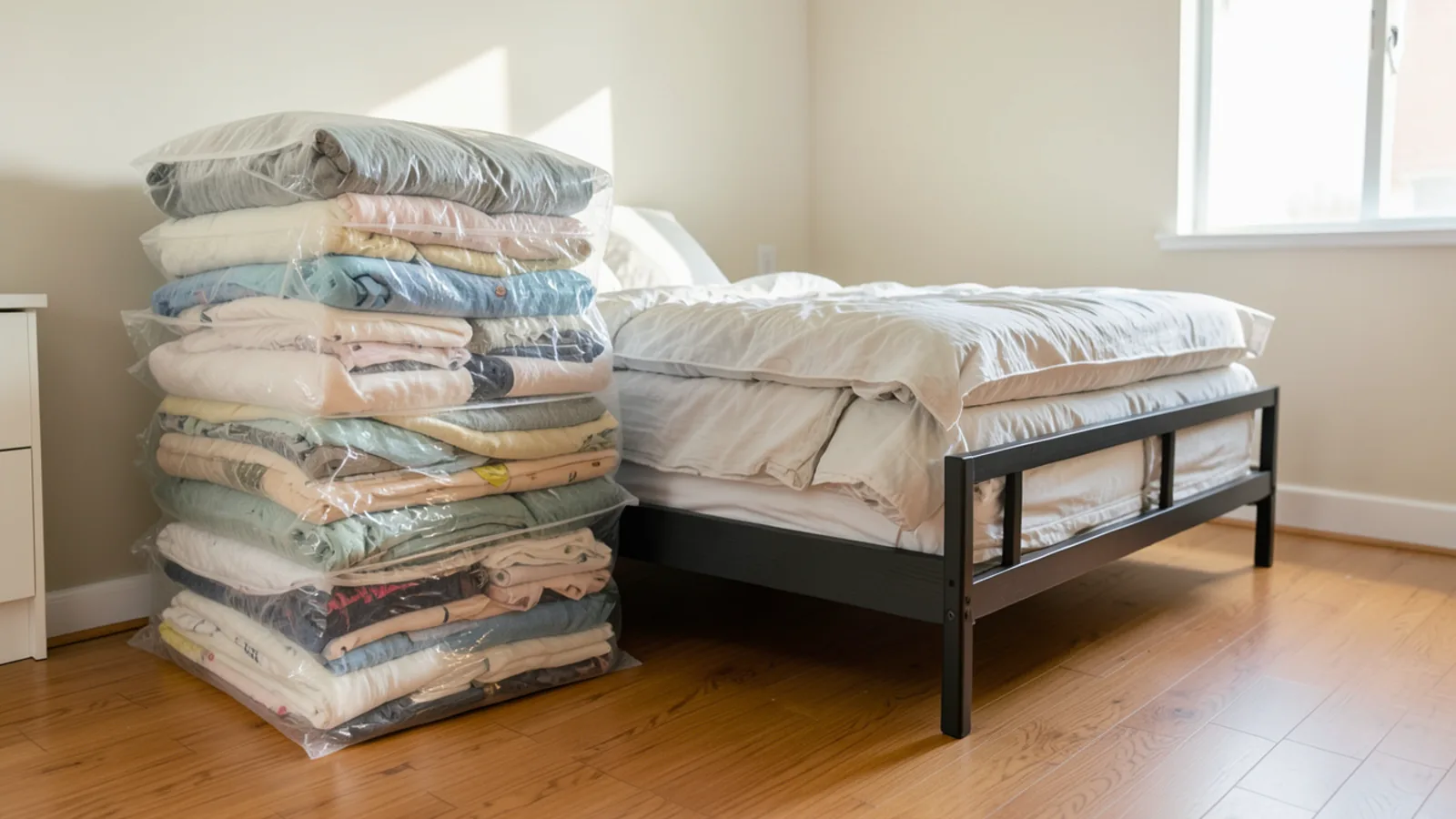
The first 24 hours of finding bed bugs require strict containment: quarantine the affected bedroom, avoid moving bedding or furniture to other rooms, wash and dry all bedding on high heat (at least 120°F for 30 minutes), avoid store-bought "bug bombs" which scatter bugs into walls, and call (321) 496-4080 to connect with a professional bed bug remediator.
- 01.Step 1: Confirm the Pest (Bed Bug Identification Signs)
- 02.Step 2: Quarantine the Sleeping Area Without Moving Items
- 03.Step 3: High-Heat Laundry and Vacuuming Protocol
- 04.Florida Contractor Insight: Why Over-the-Counter Foggers Make Infestations Worse
- 05.Professional Treatment Pathways: Whole-Home Heat vs Targeted Chemical Remediation
- 06.Travel and Prevention Strategies for Central Florida Residents
Step 1: Confirm the Pest (Bed Bug Identification Signs)
Discovering unexplained bites or sighting insects in your bed causes immediate emotional distress. However, before taking drastic action, the critical first step is confirming whether you are truly dealing with common bed bugs (*Cimex lectularius*) or other common Florida pests such as carpet beetles, fleas, bird mites, or larval ticks.
Adult bed bugs are oval, flattened, wingless insects roughly the size of an apple seed (4 to 5 millimeters in length). Unfed adults are mahogany to amber-brown with microscopic body hairs that give them a banded appearance. Following a blood meal, their bodies engorge, elongate, and turn a dark reddish-purple color.
Juvenile nymphs range from translucent pale straw-colored to amber, measuring only 1 to 3 millimeters, making them extremely difficult to spot without bright LED illumination. Look for translucent, cast-off exoskeleton molts that nymphs shed as they grow.
Physical secondary evidence is equally diagnostic. Inspect the piping seams of your mattress, tufts, box spring corner protectors, and wooden headboard screw joints for dark, ink-like fecal spots. These spots are digested blood excreted by the insects, appearing as tiny black dots that smear slightly when rubbed with a damp cotton swab. You may also notice tiny, pinhead-sized white eggs glued securely into fabric crevices and a sweet, sickly-musty alarm pheromone odor in heavily infested rooms.
Suspecting Bed Bugs in Your Home or Rental Property?
Connect immediately with an independent bed bug specialist who utilizes thermal heat or targeted non-repellent chemical remediation.
Step 2: Quarantine the Sleeping Area Without Moving Items
The single most common mistake homeowners and renters make during the first 24 hours is panicking and immediately dragging mattresses, bedding, pillows, and clothing into hallways, living rooms, or laundry hampers.
Moving infested items through the house dislodges adult bugs and nymphs, distributing them into hallway carpets, living room sofas, and adjoining bedrooms. Keep all items inside the affected room until they can be properly bagged according to strict containment protocols.
Equally important: do NOT abandon the affected bedroom to sleep on the living room sofa or in a guest bedroom. Bed bugs are obligate hematophagous parasites guided by carbon dioxide emissions, body heat, and host kairomones. If you move to another room, hungry bugs will actively crawl out of baseboards and navigate down hallways to track your new sleeping location, spreading the infestation across the entire house within days.
Continue sleeping in the quarantined room while taking basic personal protective steps, or isolate the bed by pulling it at least six inches away from walls and placing bed bug interceptor cups under each bed leg.
Step 3: High-Heat Laundry and Vacuuming Protocol
Sustained thermal heat is one of the most reliable, non-chemical weapons available for bed bug elimination. All life stages—including microscopic eggs that are naturally resistant to many chemical sprays—perish rapidly when exposed to temperatures exceeding 120°F (49°C).
Florida Contractor Insight: Why Over-the-Counter Foggers Make Infestations Worse
Never discharge aerosol "total release foggers" (bug bombs) in a room where bed bugs are suspected. Research conducted by entomologists at the University of Florida and nationwide institutions has repeatedly proven that retail foggers fail to eliminate bed bugs.
Retail foggers release an airborne pyrethroid mist that floats harmlessly in the middle of the room, failing to penetrate deep inside mattress seams, behind baseboard molding, or into wall outlet cavities where bed bugs harbor during daylight hours.
Furthermore, bed bug populations have developed widespread genetic resistance to synthetic pyrethroids. Rather than killing the insects, the irritating aerosol residue acts as a chemical dispersal repellent. Female bed bugs and nymphs scatter in panic, fleeing deep into drywall stud cavities, electrical conduits, and adjacent rooms.
Homeowners who discharge retail bug bombs frequently transform a localized, single-bed problem that could have been resolved in a single visit into a catastrophic whole-house infestation requiring extensive structural remediation.
Professional Treatment Pathways: Whole-Home Heat vs Targeted Chemical Remediation
Independent pest contractors typically offer two primary treatment methodologies based on the severity of the infestation, structural layout, and homeowner budget.
Thermal Heat Remediation involves deploying high-output commercial electric or indirect-fired propane heating units and specialized air movers. Technicians raise the core ambient temperature of the structure to between 122°F and 135°F, maintaining that lethal thermal zone for several hours. Heat penetrates deep into furniture cushions, mattresses, wall voids, and flooring, providing a 100% kill of all life stages (including eggs) in a single visit with zero chemical residues.
Targeted Chemical Remediation utilizes advanced non-repellent liquid insecticides, neonicotinoid/pyrrole active blends, insect growth regulators (IGRs), and amorphous silica dust injected into electrical boxes and baseboard voids. Because chemical treatments cannot penetrate egg casings as effectively, chemical protocols typically require two to three visits spaced 10 to 14 days apart to eliminate newly hatched nymphs.
Travel and Prevention Strategies for Central Florida Residents
Bed bugs are not attracted to dirt or neglect; they are master hitchhikers that enter homes on luggage, clothing, and pre-owned furnishings. In the Tampa Bay tourist corridor, millions of travelers pass through hotels, resorts, and vacation rentals every year.
Whenever staying in a hotel or rental property, place luggage on elevated metal luggage racks rather than on beds or carpeted floors. Inspect mattress corners and headboards with a flashlight before unpacking.
Upon returning home from travel, unpack luggage directly into the laundry room, washing and drying all clothing on high heat. Steam-clean or vacuum suitcases before storing them in garages or closets.
Bed Bug Emergency Containment Questions & Answers
Bed bugs are master hitchhikers. They enter on luggage following hotel stays, clothing from public transit, pre-owned furniture or mattresses, or on visitors from affected residences.
- Bed Bug Control: What You Need to Know — US Environmental Protection Agency
- Bed Bug Management Protocol — National Pest Management Association